
Every summer, gatherings with friends and family often revolve around seafood meals. I never say no to these get-togethers, especially when they’re serving buttery lobster and succulent shrimp scampi. My only problem is the uncomfortable aftermath — bloating, heaviness and that nagging feeling that my stomach has turned against me. My love for seafood remained steadfast, but I was searching for ways to ease the inevitable discomfort.
After months of trying remedies and experimenting, I finally found a drink that never fails to soothe my tummy troubles after feasting on seafood.
My Go-To Beverage After Seafood Binges
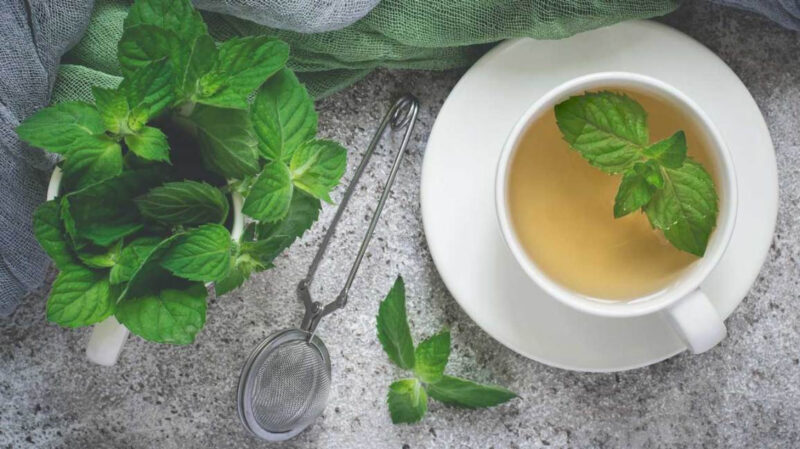
One fateful evening, after dinner at an all-you-can-eat seafood restaurant, my friends and I stopped by a quaint café. A friend suggested peppermint tea, sharing how it helped him after particularly rich meals. Skeptical yet desperate, I gave it a try and was pleasantly surprised.
The fragrant aroma helped soothe my budding nausea. I savored its refreshing notes with each warm sip. The effect wasn’t immediate, but I felt the customary bloating start to fade. I remember feeling the relief I’d longed for after those decadent meals, and I was hooked.
Peppermint tea became a staple in my post-seafood binge routine. I would brew a cup when I got home after dining out at my favorite sushi bar or go-to seafood boil place.
How Peppermint Tea Eases Digestive Discomfort
“Peppermint helps relax the muscles in your stomach, which, in turn, reduces discomfort. It’s also known to stimulate bile flow, which helps to break down fats,” says Cassandra Neal, RDN,
Ensuring efficient bile flow helps the body digest the fats that are often present in seafood dishes. Moreover, a study shows that peppermint can soothe irritable bowel syndrome symptoms, such as gas, bloating, pain and diarrhea.
On days when I’m too busy to brew tea, I find peppermint oil to be a fantastic alternative, but use it sparingly. “Two to three drops of good-quality peppermint oil in water taken after meals can definitely help with digestion and decreasing gas and belching,” says Cara Marrs, RDN. Oil has more potent properties compared to tea, and you don’t want to go overboard with it.
However, Peppermint Is Not for Everyone
Individual health profiles vary, and peppermint tea and oil can exacerbate certain conditions, like gastroesophageal reflux disease (GERD) or acid reflux. “If you have GERD, acid reflux or chronic gallbladder issues, peppermint can worsen your symptoms,” says Neal. “It can also interact with certain medications, so be sure to check with your doctor before using it.”
If peppermint is off your list of potential drinks to help digestion and bloating, explore other alternatives. Pay attention to how your body reacts to different remedies to find the best ways to ease discomfort after heavy meals.
My Favorite Peppermint Tea Recipe
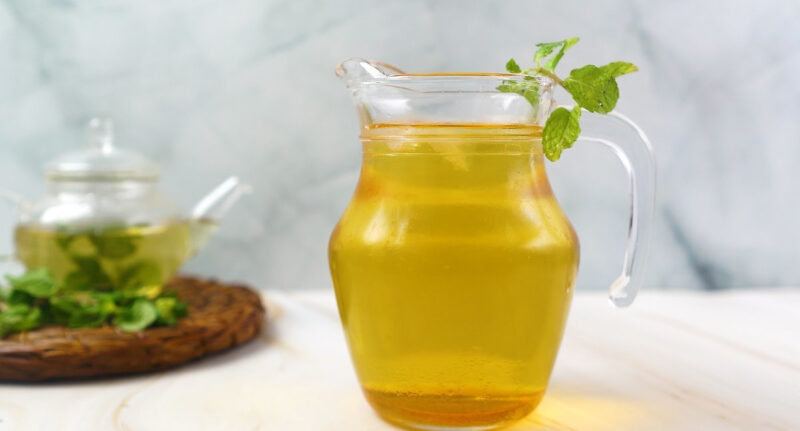
Making peppermint tea is a simple but soothing ritual. I start by gathering all the essentials. I prepare either 1 tablespoon of fresh peppermint leaves by crushing them to release the oil or measure out 1 teaspoon of dried leaves as I bring water to a gentle boil in a kettle.
I pour the hot water into a cup, add the leaves and wait for it to steep for five to seven minutes. This gives it enough time to infuse the rich flavors and therapeutic oils. After that, I strain out the leaves, then savor the brew. For extra flavor, I often add a dash of honey for sweetness or a slice of lemon to enhance the freshness.
Feel free to adjust the recipe to your taste. Some enjoy a stronger brew or prefer their tea iced, especially during warmer days. I often make a larger batch to keep in the fridge for easy access after meals.
More Drinks to Help Digestion and Bloating After Seafood Meals
More than 60 million Americans have digestive diseases, which highlights the need to explore different remedies. My digestive needs may not be the same as yours, so it’s crucial to explore what works best for you. Consider adding these beverages to your list of what to drink after a meal to help digestion.
Ginger Tea
Sipping on ginger tea after binging on seafood can reduce the causes of bloating and intestinal gas. It can also combat nausea and promote digestion. If you have ginger in your pantry, you’re good to go. Just slice it thinly, steep the aromatic root in boiling water for 10 minutes or so, and add honey or lemon to taste.
Fennel Tea
Fennel seeds can help ease constipation, bloating and other digestive issues. They have properties that relax gastrointestinal tract muscles and promote gas release, which helps relieve discomfort. To make a cup of tea, you’ll need around 1 to 2 teaspoons of fennel seeds. Steep them for roughly 10 minutes, strain them out and enjoy the brew. You can add a hint of honey or lemon to make it more flavorful.
Warm Water
“Drinking fluids after a meal can support normal digestion by helping move food through the gastrointestinal tract and supporting overall hydration status,” says Sandra Zhang, RDN. Warm water is one of the simplest yet most underrated drinks for digestive health. It helps break down food more efficiently. This keeps things flowing smoothly, which alleviates symptoms like bloating and discomfort. I like infusing my water with ginger or lemon for additional benefits.
Taking Control of Your Post-Meal Wellness
Many drinks can aid digestion after seafood binges, but what works for one person may not work for another. If peppermint tea isn’t for you, explore other options, like ginger and fennel tea. You can also try other methods.
For example, I found that a short walk after meals can help stimulate better digestion. Watching your portions and choosing lighter delicacies to feast on are also good strategies.
No matter what approach you prefer, your journey toward digestive wellness starts with small, mindful choices.
Frequently Asked Questions
1. How soon after a seafood meal should you drink peppermint tea?
You can drink peppermint tea shortly after eating, especially once you start feeling heavy, bloated or uncomfortable. Many people prefer sipping it 15 to 30 minutes after a meal rather than drinking it immediately with food. A warm cup gives your body time to settle while still supporting a calmer post-meal routine.
2. Can peppermint tea help if seafood makes you feel nauseous?
Peppermint tea may help ease mild nausea after a rich meal, especially when the discomfort comes from heaviness, fullness or strong food smells. However, it is not a treatment for food poisoning, seafood allergy or serious digestive illness. If nausea comes with vomiting, fever, severe pain, hives, swelling or trouble breathing, it should be treated as a medical concern.
3. Is hot peppermint tea better than iced peppermint tea?
Hot peppermint tea may feel more soothing because warmth can be comforting after a heavy meal. However, iced peppermint tea can still be refreshing and may work well during summer seafood gatherings. The best choice usually depends on what feels better for your stomach. Avoid making it too sweet, since excess sugar can sometimes make bloating feel worse.
4. Can you drink peppermint tea before eating seafood?
Yes, some people drink peppermint tea before a rich meal as part of their routine, especially if they already know certain foods make them feel heavy. Still, it is usually more common to drink it afterward. If seafood meals consistently cause discomfort, it may also help to eat slowly, avoid overeating and choose lighter sides instead of very buttery or fried dishes.
5. What should you avoid drinking after a heavy seafood meal?
Very sugary drinks, large amounts of soda and excessive caffeine may make some people feel more bloated or unsettled after a heavy meal. Alcohol can also irritate the stomach for some individuals, especially when paired with rich foods. A simple drink like warm water, herbal tea or lightly infused water is often a gentler choice.
6. Can peppermint tea help with seafood allergy symptoms?
No. Peppermint tea should never be used for seafood allergy symptoms. Digestive discomfort from overeating is very different from an allergic reaction. Symptoms such as swelling, hives, wheezing, dizziness, throat tightness or trouble breathing require urgent medical attention. If you suspect a seafood allergy, avoid the trigger food and speak with a health professional.